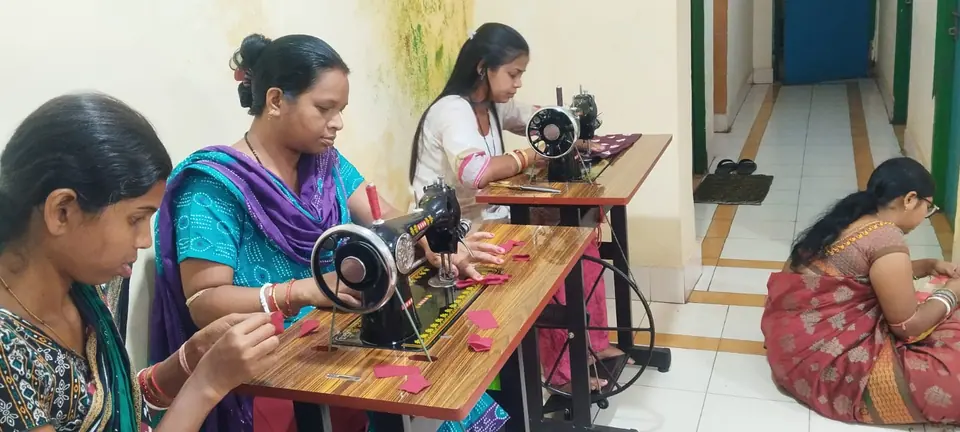
Vocational Training
Stitching, crafts, cooking and small-business skills that turn learning into earning.


#EkBehtarShuruaat
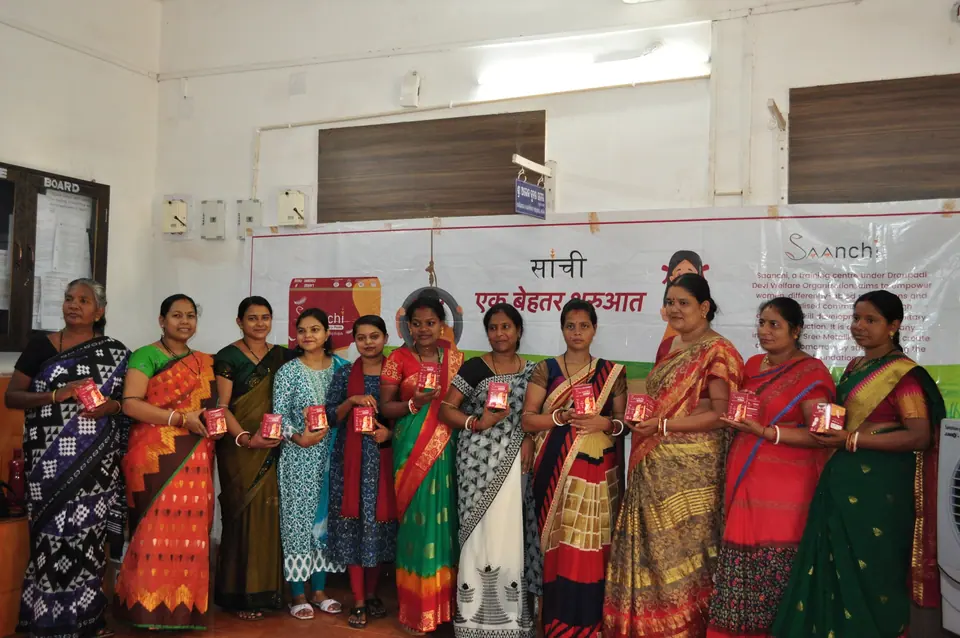
Saanchi is a training centre of the Draupadi Devi Welfare Organisation in Barbil. We teach practical skills, spread menstrual-health awareness and make affordable sanitary pads, so women and specially-abled people can lead independent, fulfilling lives.
Promoting awareness, encouraging action
Saanchi works with women, specially-abled people and marginalised communities around Barbil. Through skill workshops, soft-skill classes and health campaigns, we help people build the confidence and income to stand on their own feet. By breaking the silence around menstruation, we are working towards a brighter future for everyone.
Stitching, crafts, cooking and small-business skills that turn learning into earning.
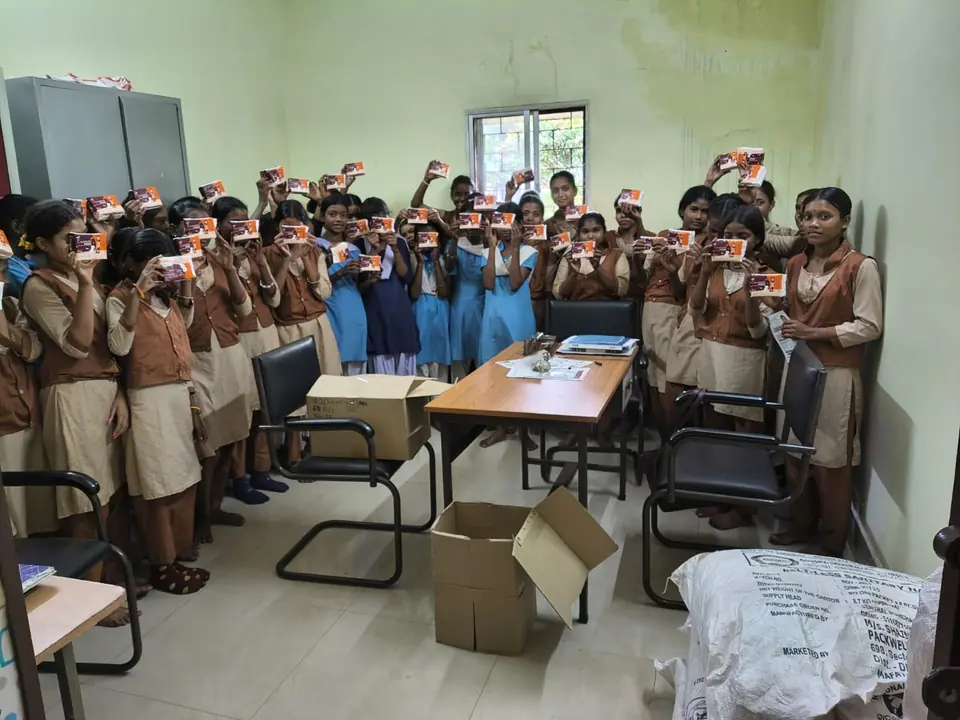
Menstrual-health sessions in schools and villages that replace myths with facts.
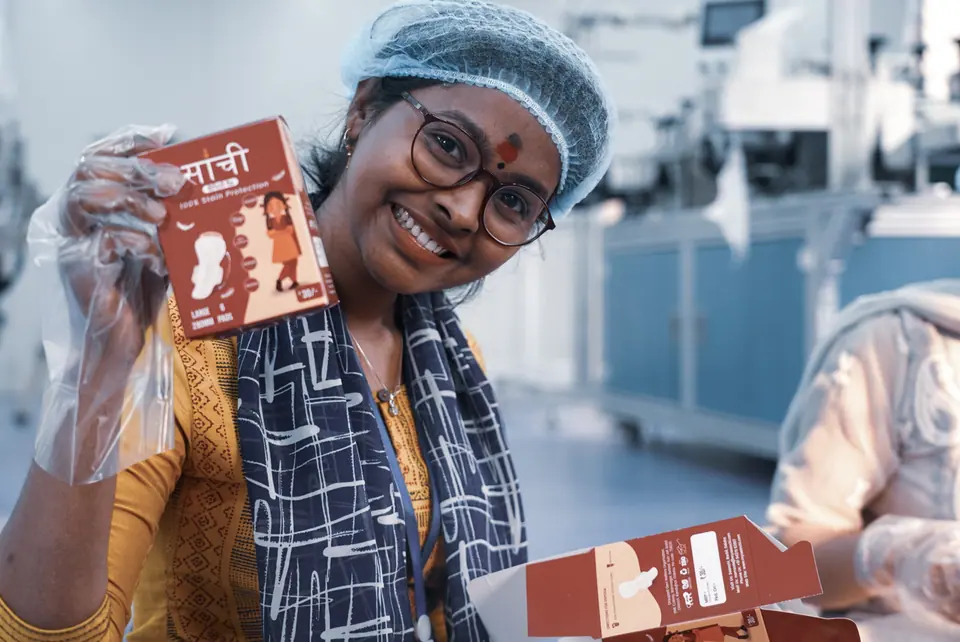
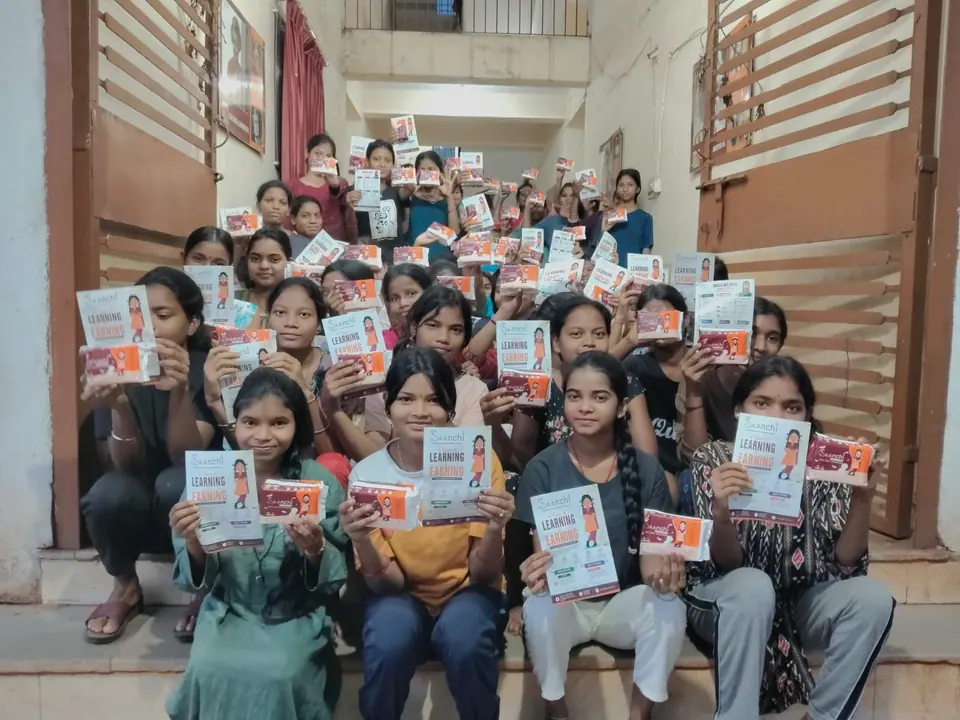
Local women make Saanchi pads at our Barbil unit, creating steady work close to home.
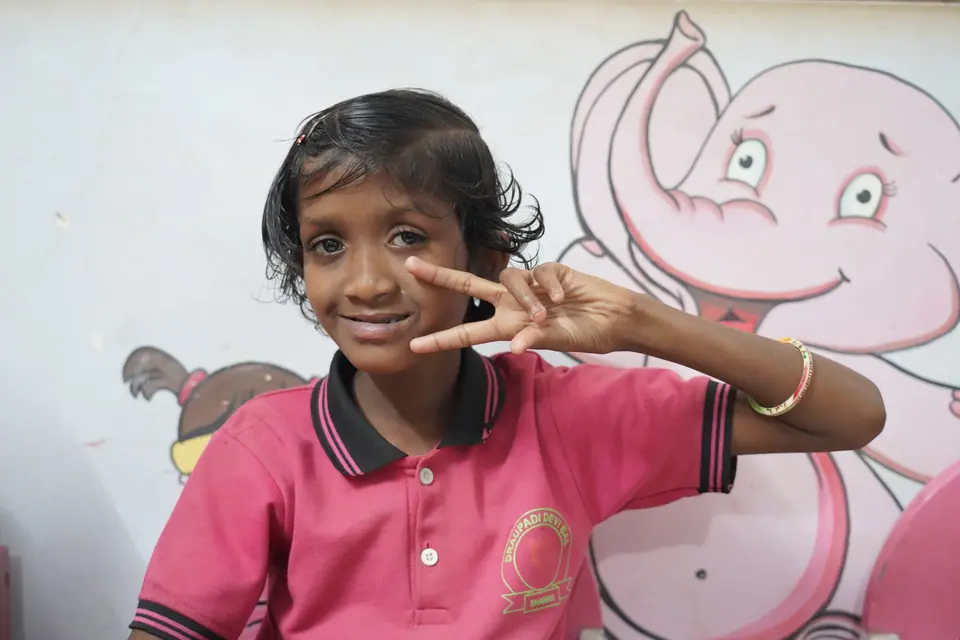
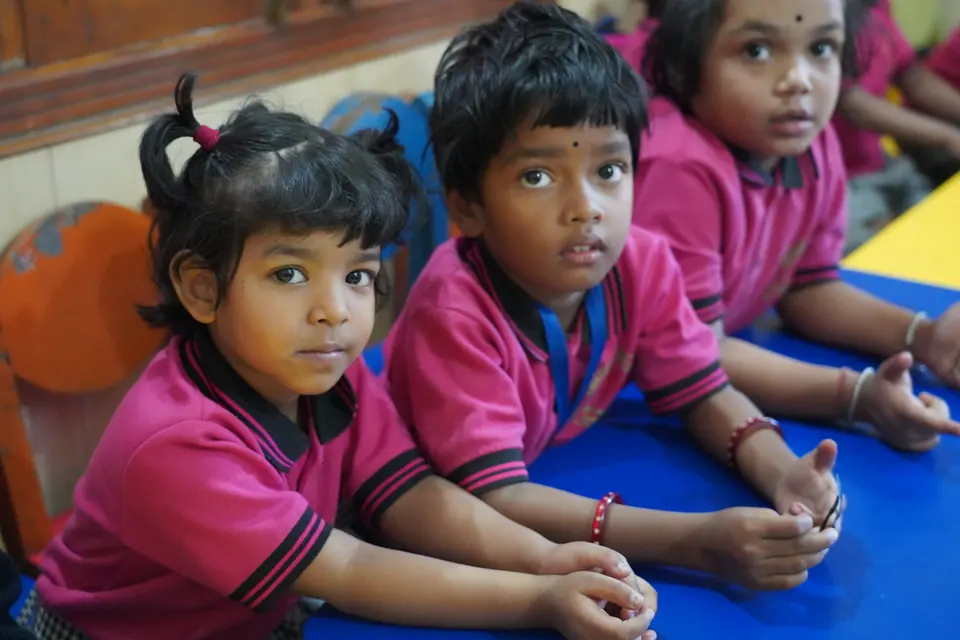
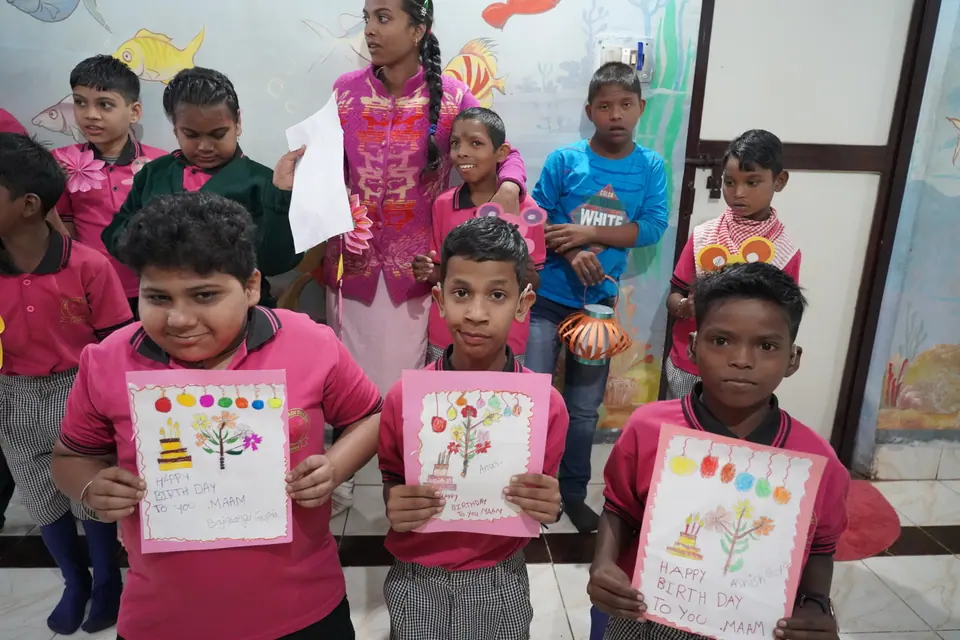
Therapy, personal attention and a joyful classroom at the DDWO School for Specially Abled.
Vocational training
Transforming skills into opportunities
We believe that learning practical skills opens doors to confidence, creativity, self-reliance and economic empowerment.
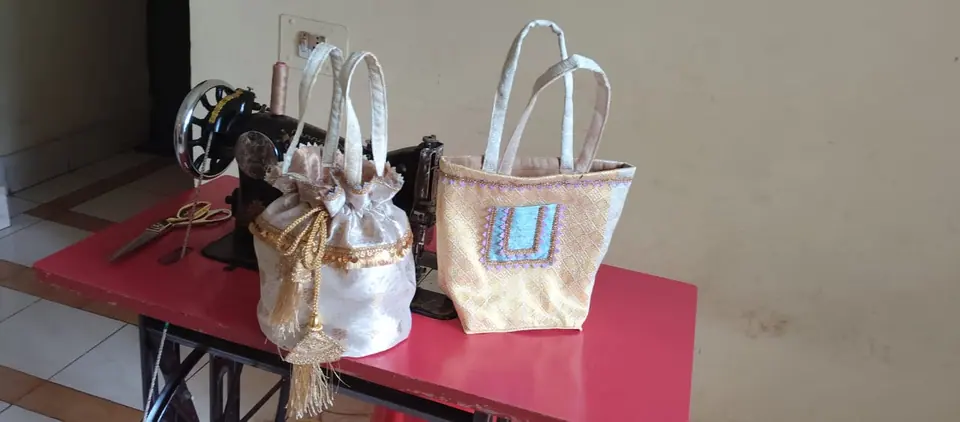
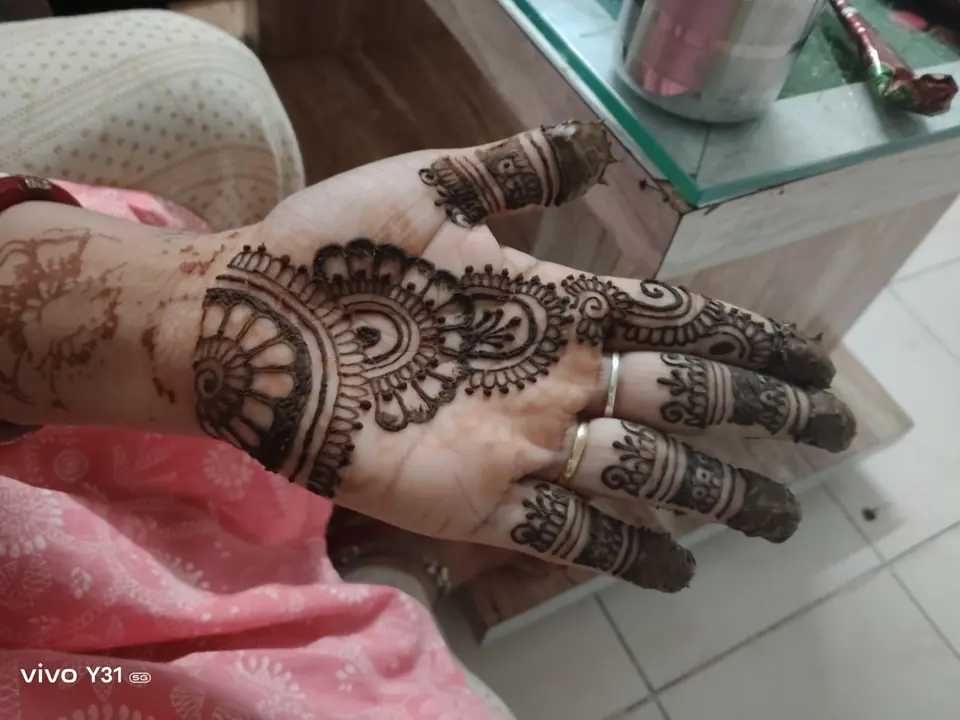
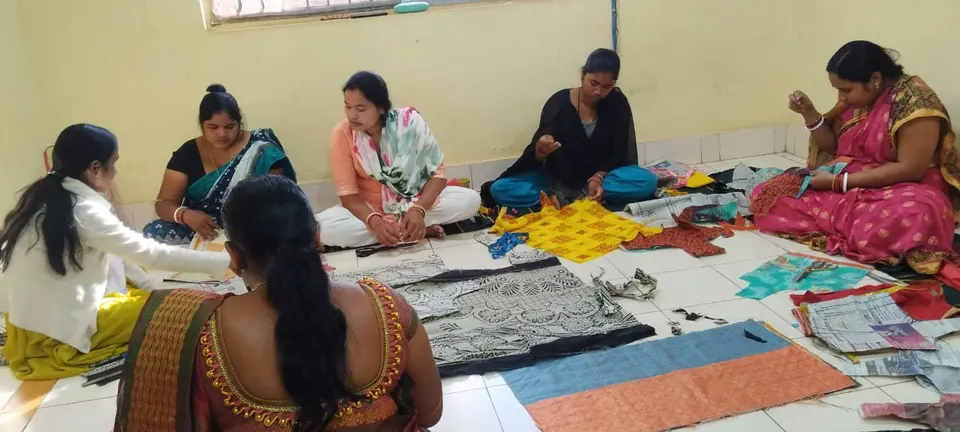
Skill · Confidence · Creativity · Independence
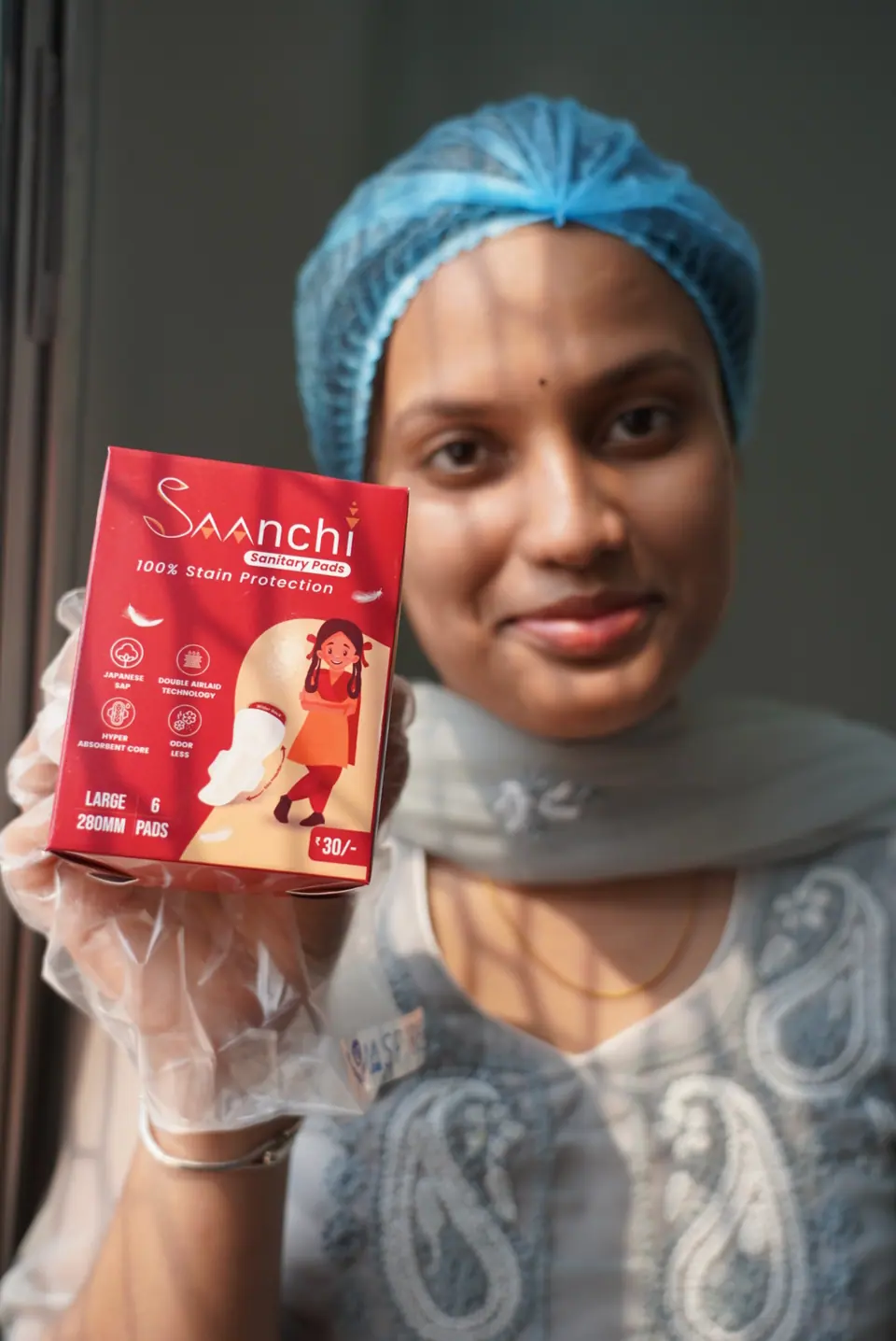
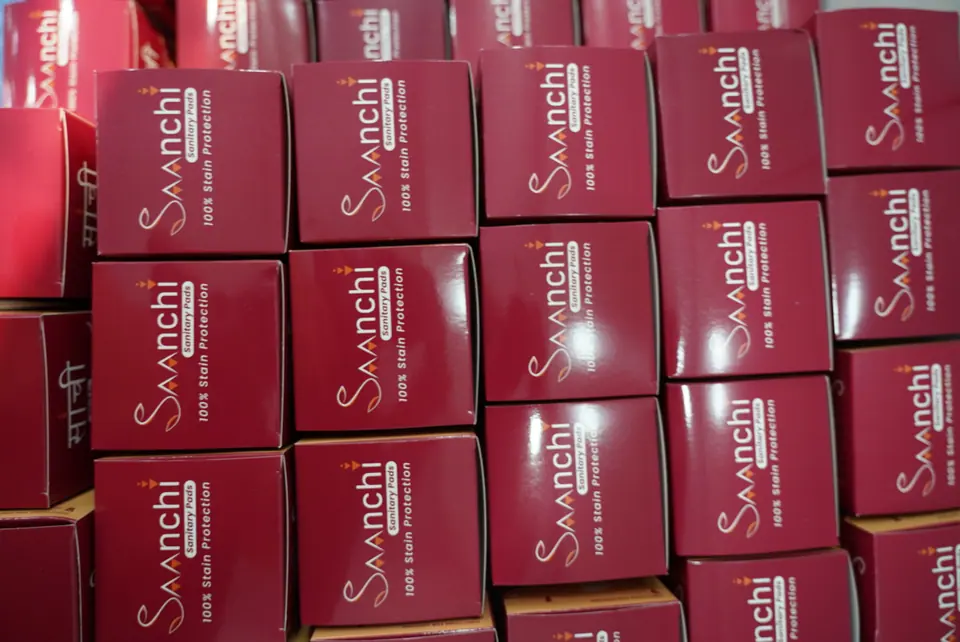
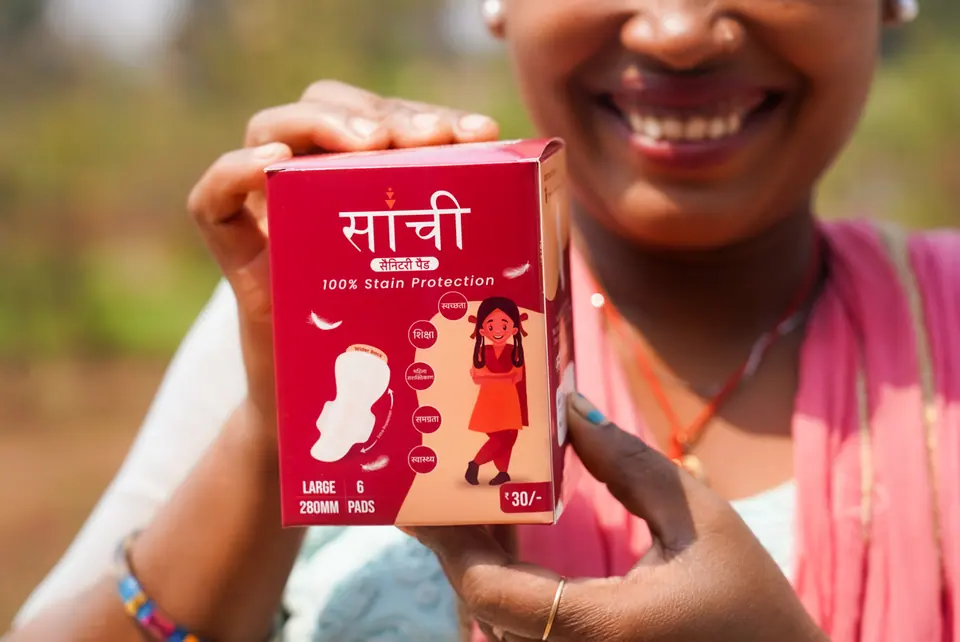
Saanchi sanitary pads
Our production unit in Barbil makes sanitary pads from eco-friendly materials and sells them at affordable prices. Every pack supports work for women in our community and opens a conversation about menstrual health.
Community involvement
Support Saanchi by volunteering, buying our products and spreading awareness about our mission.
From the blog

Skills help communities earn, cope with change and rely less on outside support. How skill development builds economic independence, social progress and sustainable growth.
4 min read

How Saanchi, a DDWO training centre in Odisha, helps women and specially-abled people build skills, confidence and independence through training, health awareness and pad production.
2 min read
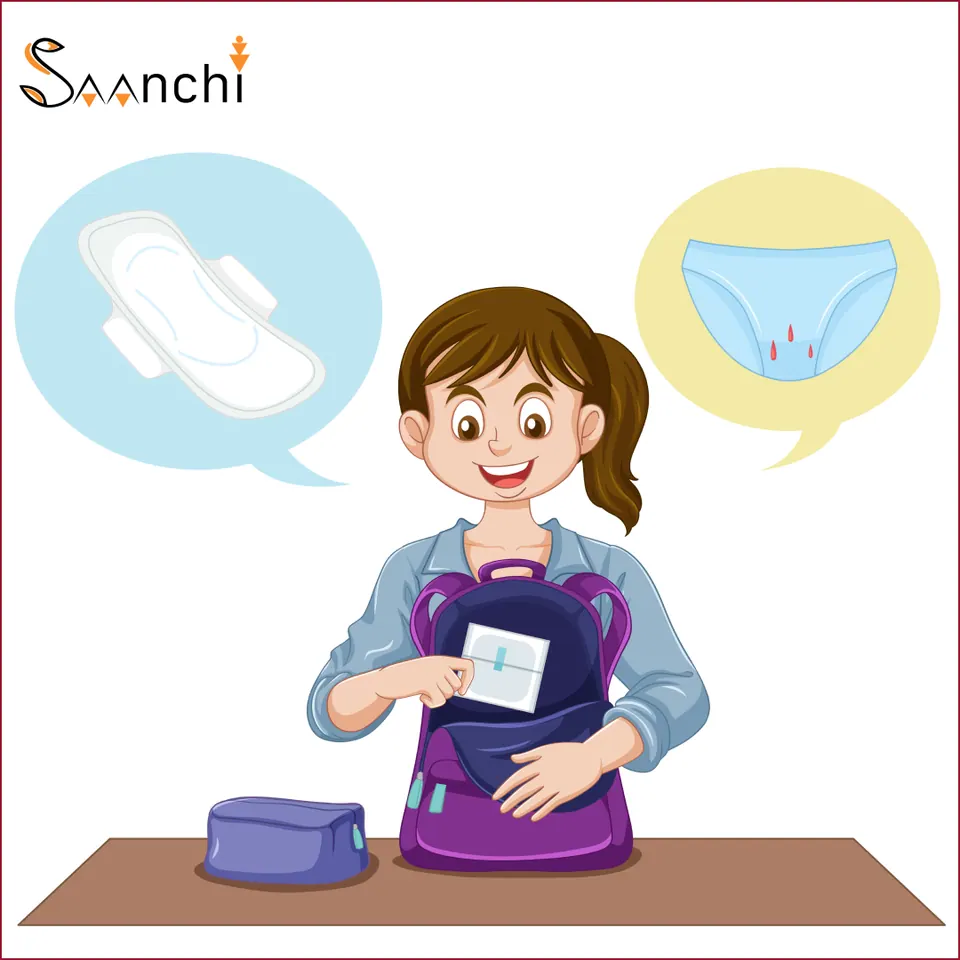
Most people should change their pad every 4 to 6 hours, and never wear one for more than 8. What changes that timing, the signs it’s time to change, and simple hygiene tips.
5 min read
Gallery

Volunteer with us or visit the centre in Barbil. We would love to hear from you.